Agrigenomics
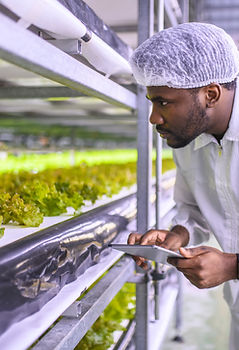
We are actively working to explore the genetic basis of adaptation to climate change in African agricultural systems. This involves identifying specific genes and genetic markers in indigenous crop varieties (like drought-resistant maize, cassava, or sorghum) and local livestock breeds (such as cattle adapted to heat stress and tick-borne diseases) that enable them to thrive in challenging environments.
Cancer Genomics
This critical research initiative aims to investigate the genetic underpinnings of cancers prevalent in Africa, a region disproportionately affected by certain malignancies and facing unique challenges in cancer diagnosis and treatment. Our core focus is on identifying biomarkers for early detection and personalized treatment strategies, which are crucial for improving patient outcomes across the continent.

Bioinformatics and Computational Genomics
Our research is at the forefront of pioneering the use of big data and machine learning in genomics research to uncover novel insights into human health. The sheer volume and complexity of genomic data generated from sequencing initiatives demand advanced computational approaches to extract meaningful biological and clinical insights.


Genomic Epidemiology
Our research is dedicated to integrating genomic data with epidemiological studies to identify genetic and environmental risk factors for diseases in African populations. This powerful combination allows us to gain a comprehensive understanding of disease causation, moving beyond single-factor analyses to explore the complex interplay between inherited predispositions.

Infectious Disease Genomics
Advanced genomic strategies are revolutionizing the fight against infectious diseases, offering critical tools to track disease outbreaks, understand pathogen evolution, and inform vaccine development. By rapidly sequencing the genetic material of disease-causing organisms, scientists can precisely monitor the spread of infections, identifying transmission chains and pinpointing outbreak origins in near real-time.




PAIGS Research Areas
Advancing interdisciplinary research excellence to address critical challenges in health, agriculture, and technology, fostering collaborative innovation, knowledge generation, and capacity development to drive sustainable societal transformation.